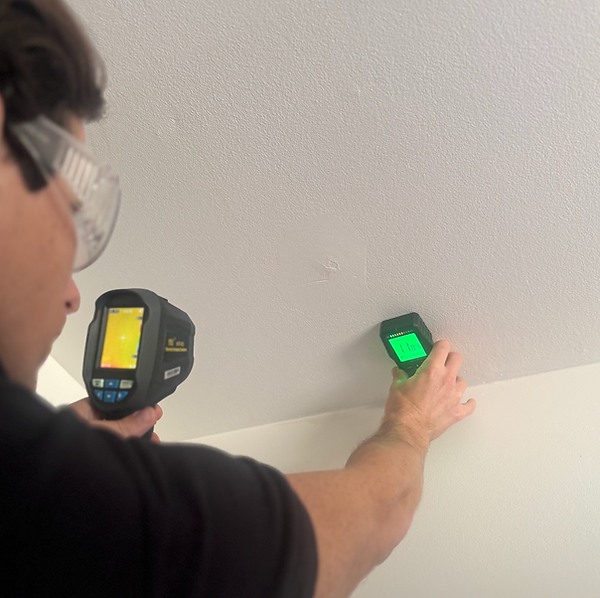
Symptoms & Health Effects of Mold & EMF Exposure
Many people with ongoing symptoms have already changed their diet, tried supplements, worked with doctors, and followed several treatment plans without getting better. In some cases, mold exposure from water-damaged buildings or EMFs from electrical and wireless systems are the factors that have been overlooked.
Mold and EMF exposure can affect people differently. Symptoms can become significant enough to interfere with everyday life. They may include persistent fatigue, sleep disruption, brain fog, memory loss, confusion, migraines, dizziness, balance or coordination problems, weakness, tremors, numbness, changes in movement, nausea, vomiting, digestive problems, difficulty breathing, heart palpitations, nervous system overstimulation, increased sensitivity, and hormonal or reproductive problems.
Because these symptoms can involve several parts of the body, people may receive diagnoses such as MCAS, POTS, ME/CFS, fibromyalgia, CIRS, dysautonomia, autoimmune disease, or Multiple Chemical Sensitivity. Mold and EMFs are not the explanation for every health problem, but they should be considered when symptoms remain unexplained or someone feels noticeably different in certain environments. These exposures deserve particular attention for people who may be more vulnerable, including those who are immunocompromised, pregnant, very young, elderly, or living with chronic health conditions. Recovery may involve addressing water damage, reducing unnecessary EMF exposure, and working with a medical provider who understands environmental health. We provide complete EMF mitigation recommendations and solutions, but we are legally prohibited from performing both mold assessment and remediation on the same project, so any mold cleanup must be handled by a separate company.